
The Propane Safety Tips Every Homeowner Should Know
Many homeowners rely on propane to power essential appliances, heat their homes, and fuel outdoor equipment throughout the year. It is an efficient energy source that provides dependable performance for cooking, water heating, fireplaces, generators, and more. While it is safe when properly installed and maintained, understanding how to use it responsibly is an important part of protecting your family and property. Knowing how to recognize potential problems and follow recommended safety practices can help prevent unnecessary risks. Routine maintenance, professional inspections, and proper handling all contribute to a safer home environment. Homeowners who become familiar with basic safety guidelines are better prepared to respond if an issue arises. Taking a proactive approach also helps ensure appliances continue operating efficiently for years to come. By following a few simple precautions, you can enjoy the many benefits that propane offers while maintaining peace of mind.
Inspect Your Equipment Regularly
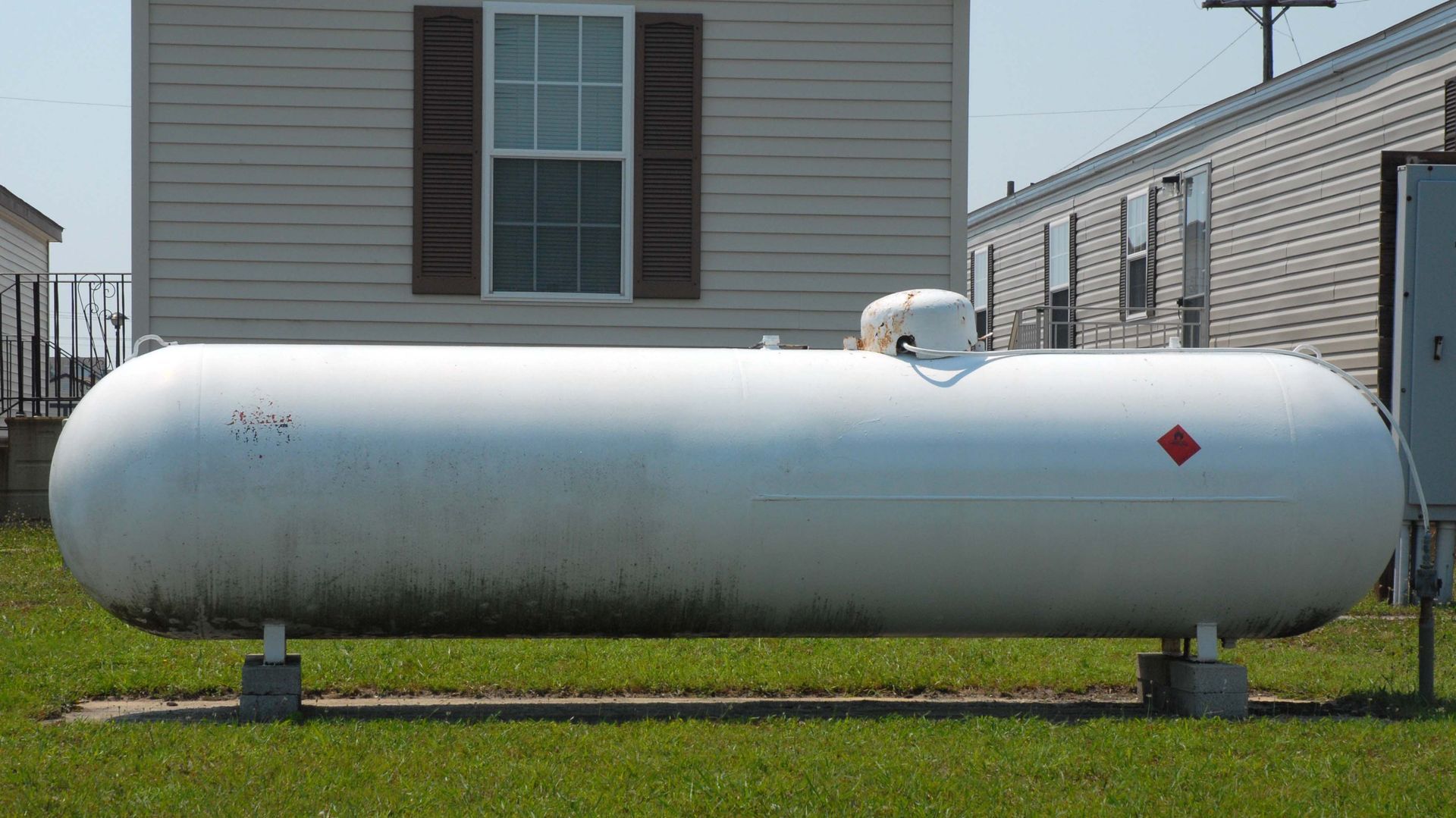
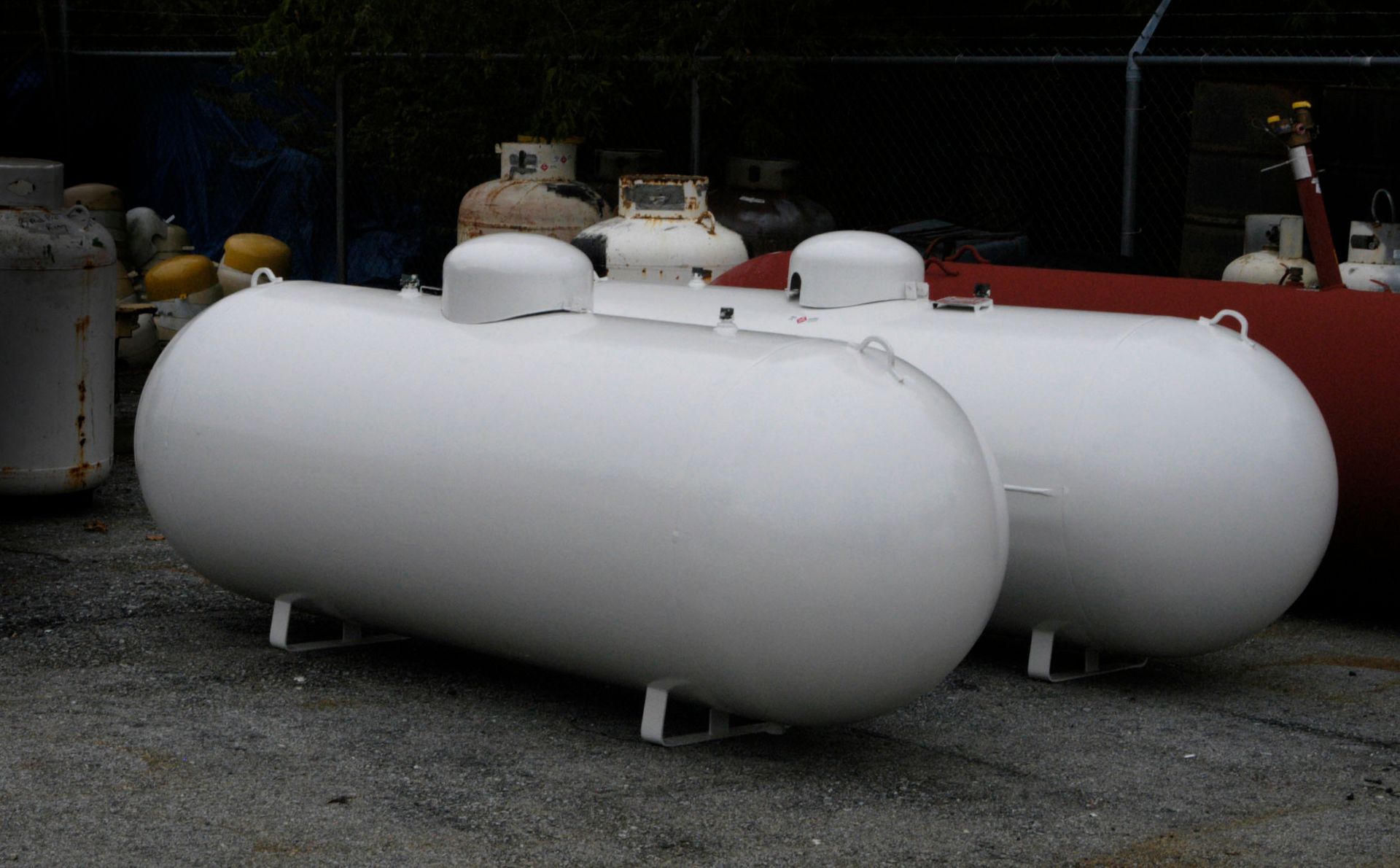
Regular inspections are one of the most effective ways to maintain a safe fuel system throughout the year. Homeowners should periodically examine tanks, valves, regulators, and visible gas lines for signs of corrosion, physical damage, or excessive wear. Outdoor tanks should remain upright and free from debris, vegetation, or objects that could interfere with proper ventilation. Any unusual rust, dents, or loose fittings should be evaluated promptly by a qualified technician. Appliances connected to the system should also be inspected for proper operation and signs of deterioration. Scheduling professional inspections provides an additional level of protection by identifying problems that may not be visible during routine visual checks. Preventive maintenance helps address small issues before they become more serious or expensive to correct. Keeping propane equipment in good condition supports both safety and reliable performance.
Recognize The Warning Signs Of A Leak
Understanding how to recognize a possible gas leak is essential for every homeowner. One of the most noticeable warning signs is a strong odor that resembles rotten eggs, which is intentionally added to help detect leaks. You may also hear a hissing sound near a tank or gas line, or notice dead vegetation around outdoor equipment. If you suspect a leak, avoid operating light switches, electrical devices, or anything that could create a spark. Leave the area immediately and move everyone to a safe location away from the property. Once safely outside, contact your propane supplier or emergency services for assistance. Do not return to the building until qualified professionals determine that it is safe to do so. Responding quickly to possible leaks significantly reduces the risk of injury or property damage.
Maintain Adequate Clearance Around Tanks
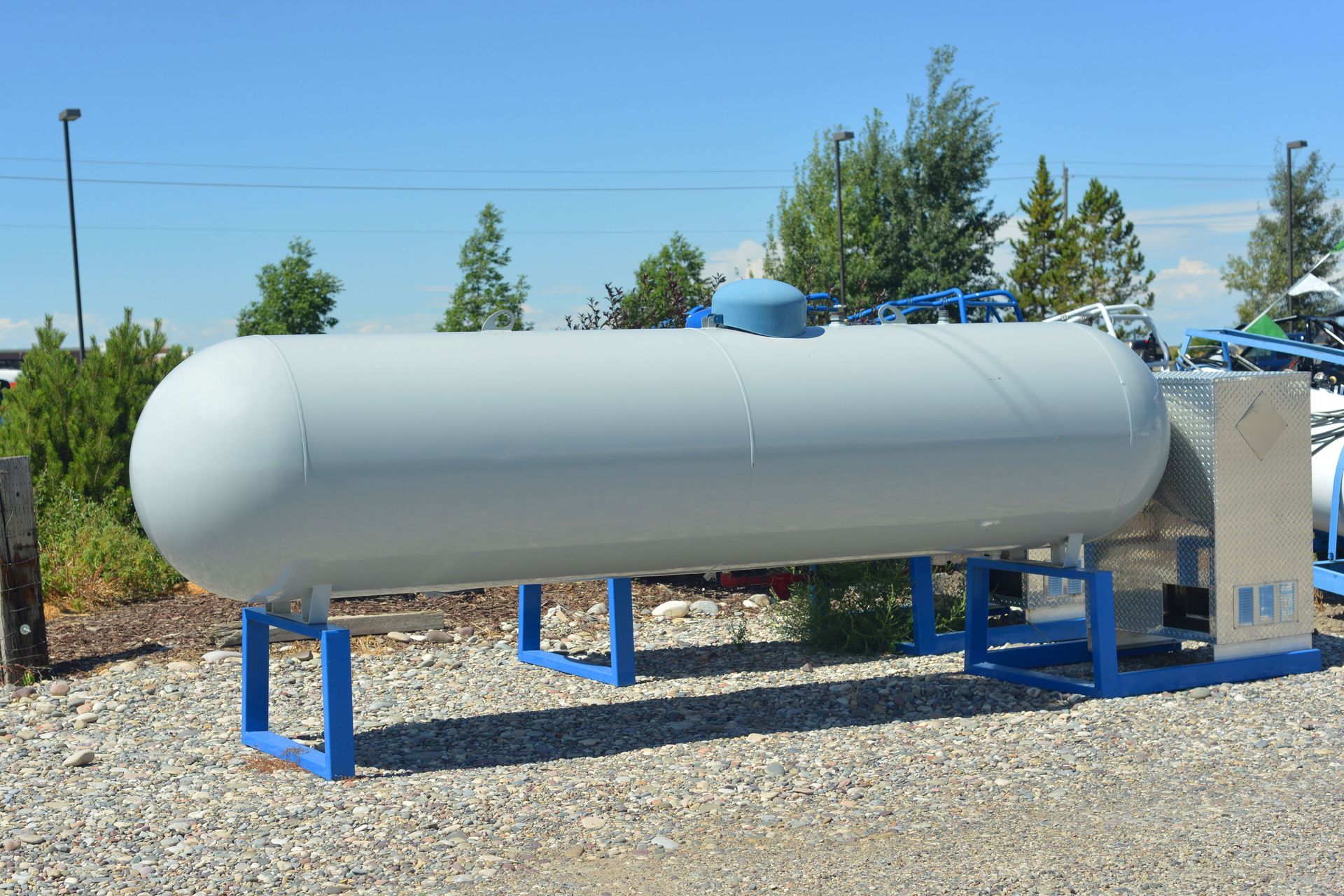
Outdoor storage tanks require sufficient open space to operate safely and allow technicians easy access for inspections and service. Trees, shrubs, fencing, and stored materials should not obstruct the area surrounding the tank. Adequate clearance also improves airflow and helps prevent moisture from becoming trapped against the equipment. Snow, leaves, and other debris should be removed regularly, especially during changing seasons. Homeowners should avoid placing combustible materials or ignition sources near the tank. Keeping the surrounding area clean makes it easier to identify potential problems during routine inspections. A well-maintained installation site supports safer operation throughout the year. Simple property maintenance plays an important role in protecting your propane system.
Follow Safe Appliance Operating Practices
Every appliance connected to a fuel system should be operated according to the manufacturer's instructions. Furnaces, water heaters, fireplaces, stoves, and generators should receive routine maintenance to ensure they continue functioning properly. Blocked vents or damaged exhaust systems can interfere with safe operation and should be corrected immediately. Homeowners should never attempt to modify gas appliances or disconnect components without professional assistance. If an appliance begins operating differently than normal, unusual noises or inconsistent performance should be evaluated promptly. According to the University of Wisconsin-Stevens Point, propane was first produced in 1912 and has since become widely used in homes, industries, and agricultural operations because of its versatility. Proper maintenance helps these appliances continue operating safely and efficiently throughout their service life. Consistent attention to operating conditions reduces unnecessary safety risks while extending equipment longevity.
Prepare For Severe Weather Conditions
Changing weather conditions can affect outdoor fuel systems, making seasonal preparation an important part of home maintenance. Heavy snow, ice accumulation, flooding, or falling tree limbs may damage tanks, regulators, or gas lines if left unchecked. Homeowners should inspect outdoor equipment after severe storms and report any visible damage before operating connected appliances. Snow should never be piled against tanks or regulators because it may interfere with ventilation and access. During hurricane or storm preparation, avoid securing loose objects directly to fuel tanks. Maintaining clear access also allows delivery personnel and service technicians to reach the equipment safely if needed. Regular weather-related inspections help identify problems before they affect system performance. Preparing ahead of seasonal weather changes improves both safety and reliability.
Teach Every Family Member Emergency Procedures
Everyone living in the home should understand the basic safety procedures associated with fuel-powered appliances. Family members should know how to recognize warning signs, where to exit the home safely, and who to contact during an emergency. Children should be taught never to play around tanks, valves, or connected equipment. Emergency contact information should be easily accessible so assistance can be requested quickly if necessary. Practicing evacuation plans ensures that everyone knows what to do without hesitation during an unexpected situation. Clear communication reduces confusion and improves overall household preparedness. Reviewing these procedures periodically helps keep safety information fresh in everyone's mind. Educating the entire family strengthens your home's overall propane safety plan.
Store Fuel Safely and Responsibly
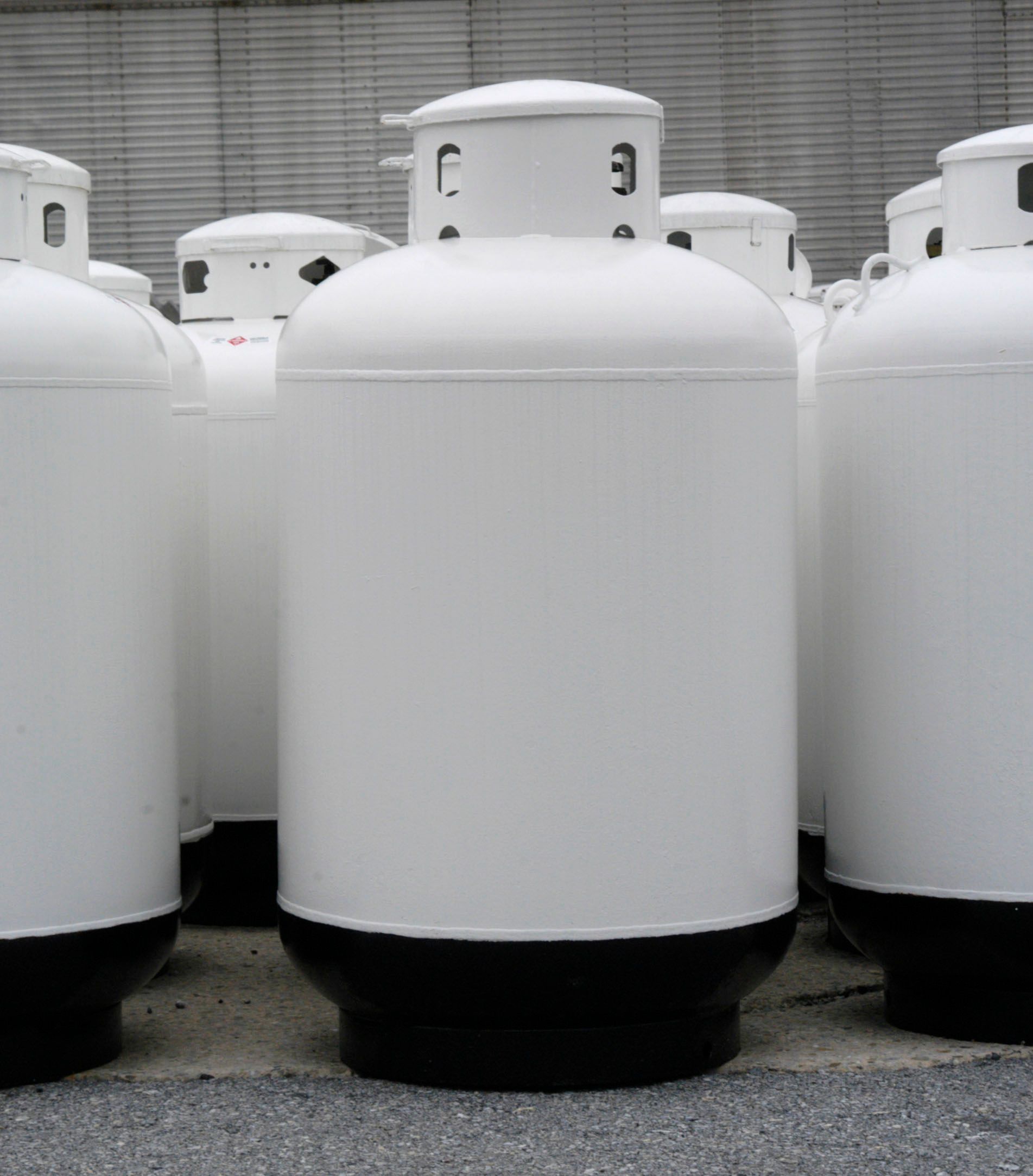
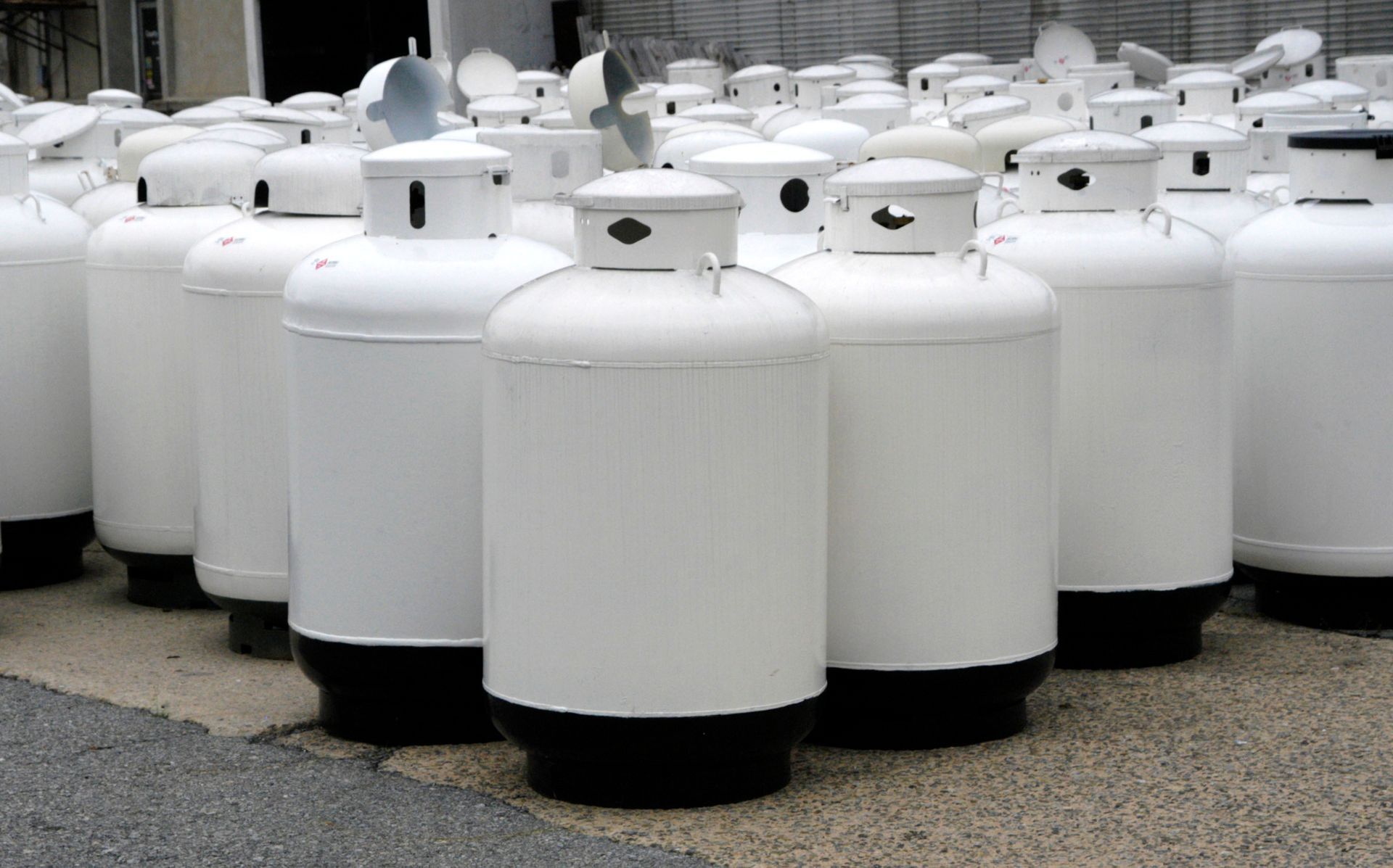
Proper storage practices play an important role in maintaining overall household safety when using propane. Small cylinders should always be kept in well-ventilated outdoor areas and never stored inside basements, garages, or enclosed spaces where gas could accumulate. Containers must remain upright on stable surfaces to prevent tipping, damage, or accidental valve release. Homeowners should also avoid exposing tanks to direct heat sources such as grills, fire pits, or prolonged sunlight without protection. It is important to check that all valves are fully closed when equipment is not in use, reducing the chance of unintended release. Empty or partially used cylinders should still be handled with care, as residual gas may remain inside. Keeping storage areas organized and free from clutter helps reduce hazards and allows easier inspection of equipment. Responsible storage habits support overall propane safety and help ensure long-term reliable use.
Schedule Professional Service Before Problems Develop
Routine professional service is one of the best ways to keep your fuel system operating safely and efficiently over the long term. Qualified technicians can inspect regulators, pressure levels, appliance connections, and storage equipment to ensure everything functions correctly. Preventive maintenance often identifies worn components before they lead to unexpected failures or interruptions in service. Professional inspections also verify that installations continue meeting current safety standards and manufacturer recommendations. Addressing small concerns early typically reduces repair costs and helps extend equipment life. Regular service appointments provide homeowners with added confidence that their systems are operating as intended. Preventive care minimizes the likelihood of emergencies while improving overall system performance. Investing in routine propane maintenance supports dependable operation throughout every season.
Safe operation begins with proper maintenance, regular inspections, and understanding how your fuel system works. When you need dependable delivery, equipment service, or professional guidance, contact Countrystyle Propane. Our experienced team is committed to helping homeowners keep their systems operating safely, efficiently, and reliably throughout the year.
Share On: